Choosing the right bathroom tile is more than aesthetics; it defines durability, maintenance, and resale value. With years of design and installation experience, this guide covers materials, layouts, installation tips, and care considerations to help you make informed choices.
Why bathroom tile matters
Tiles protect wet surfaces, resist mold, and provide texture and color that set the tone of your bathroom. A thoughtful tile choice reduces maintenance, improves shower and floor performance, and can influence long-term resale value. Quality installation paired with proper maintenance turns a bathroom into a durable, easy-to-clean space.
Tile materials: ceramic, porcelain, natural stone
Ceramic tile
Ceramic is fired clay and glazed for color and protection. Pros: affordable, versatile, light-weight, and easy to cut for complex layouts. Cons: lower density than porcelain and higher water absorption in some grades, so proper sealing is important in wet zones. It is ideal for walls and backsplashes where foot traffic is moderate.
Porcelain tile
Porcelain is a dense, staged ceramic with very low water absorption. Pros: high durability, excellent stain resistance, and great for floors and showers. Cons: heavier and typically more expensive; edges can be harder to cut and install. When selecting porcelain, look for low water absorption (less than 0.5%) and rectified edges for a cleaner grout line.
Natural stone and glass tiles
Natural stone such as marble, travertine, or slate brings timeless luxury and unique veining. Pros: premium aesthetic and value. Cons: requires regular sealing, higher maintenance, and vulnerability to acids. Glass tiles reflect light and create bright, contemporary looks but can be slippery on floors and may require careful grout sealing to prevent staining. Ultra-slim glass options work well for shower niches and accents but are less practical on floors.
Size, layout, and color trends
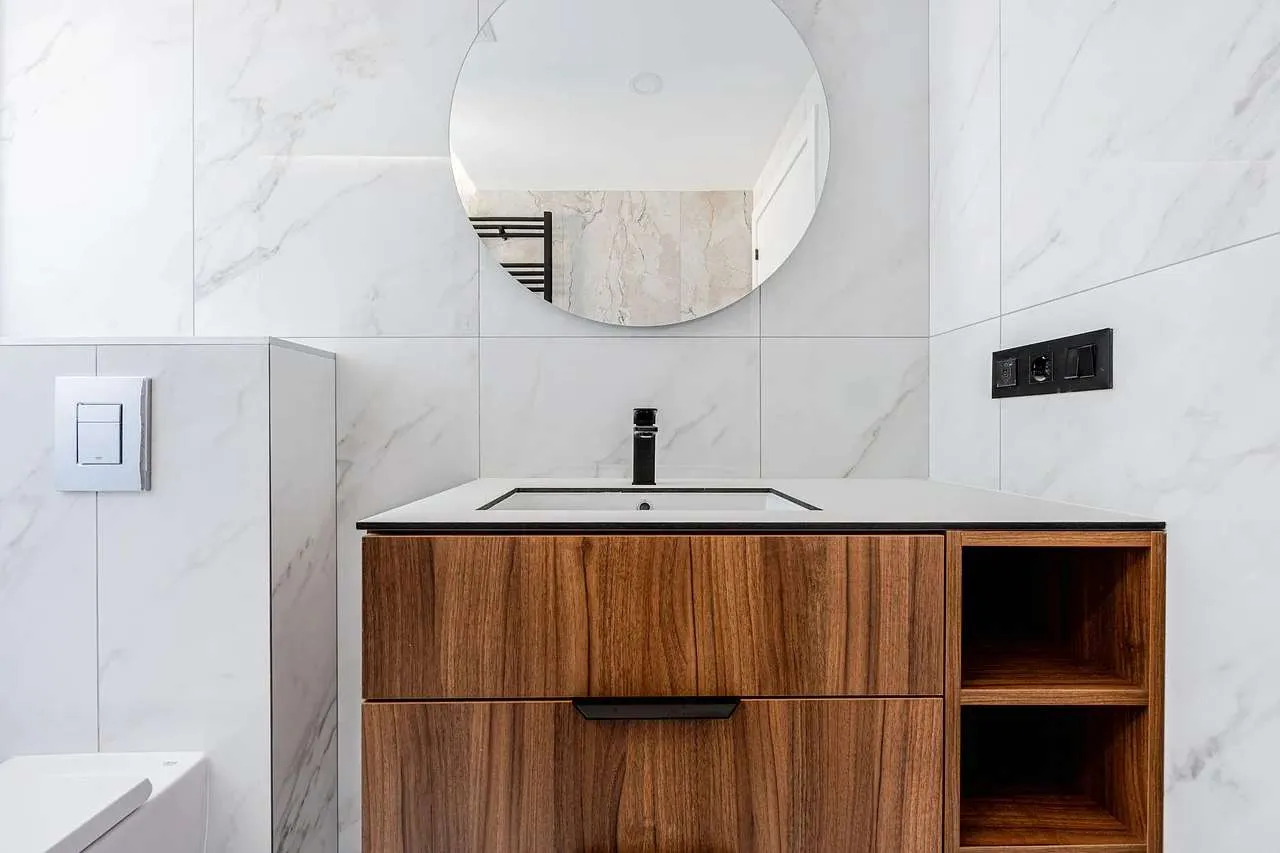
Large-format tiles reduce grout lines and create a seamless, spa-like effect; 12x24 inches or larger are popular for showers and floors, while smaller patterns offer texture. For small bathrooms, vertical layouts, lighter neutrals, and matte finishes can visually expand space and hide wear. Bold colors or patterned mosaics are great as accents without overwhelming the room.
Installation basics: DIY vs professional
Substrate prep, waterproofing, thin-set mortar, and proper grouting are critical for longevity. In showers, a waterproof membrane, proper slope (about 1/4 inch per foot), and crack-isolation products prevent water intrusion. If walls or ceilings are irregular, backer board and pre-cut tiles reduce waste. A professional install ensures adherence to local codes, proper substrate preparation, and warranty coverage, especially in wet areas.
Maintenance and care
Regular cleaning with pH-balanced cleaners prevents soap scum buildup and staining. Seal unglazed porcelain or natural stone as required and reseal grout periodically (usually every 6–24 months, depending on porosity and traffic). Promptly address spills, especially acids like citrus, and use silicone around fixtures to prevent water seepage. Proper ventilation with an exhaust fan reduces mold and extends tile life.
Cost and durability considerations
Material cost varies by type and finish; installation complexity adds to the budget. Porcelain and ceramic tiles offer strong value with durable performance when maintained, while natural stone delivers luxury with higher upkeep and occasional sealing needs. High-quality thin-set and proper grout selection can dramatically affect life expectancy and maintenance costs over time.
Comparison of common bathroom tile types
| Tile Type | Pros | Cons | Best Uses |
|---|---|---|---|
| Ceramic | Affordable, wide selection, easy to cut | Lower durability, more prone to chipping in high-traffic areas | Walls, backsplashes, shower enclosures |
| Porcelain | High durability, low water absorption | Heavier, higher cost | Floors and showers, high-moisture areas |
| Natural stone | Luxurious look, unique grains | Requires sealing, higher maintenance | Bathrooms with premium feel (countertops, walls) |
| Glass | Reflects light, modern style | Slippery on floors, delicate grout | Backsplashes, accent walls |
Beyond product selection, the installation environment matters: ventilation, moisture management, and quality tiling adhesives ensure a durable finish that lasts decades. When choosing a tile retailer or contractor, seek evidence-based guidance, request project galleries, and verify warranties and certifications to uphold EEAT—expertise, authoritativeness, and trustworthiness in the decision process.
Conclusion, selecting bathroom tile is a balance between aesthetics, performance, and maintenance. By understanding material properties, layout options, and proper installation, you can achieve a stylish, durable bathroom that remains easy to care for over time.