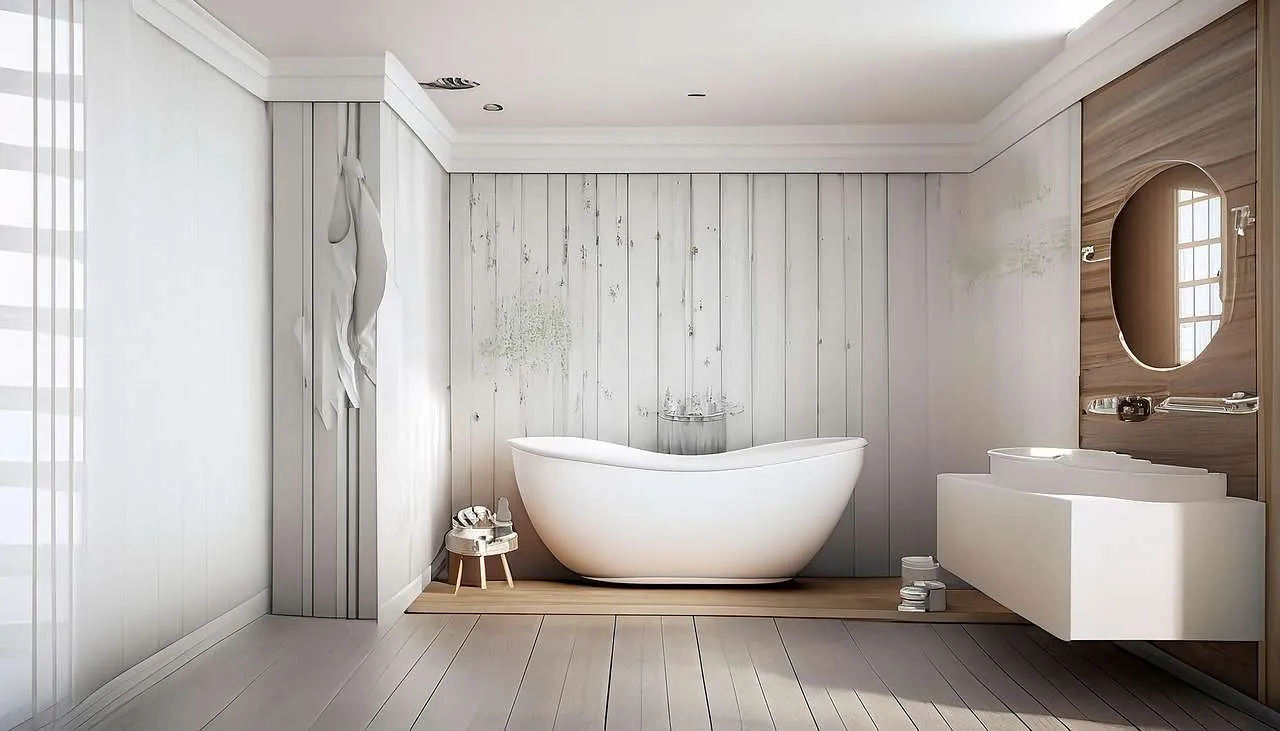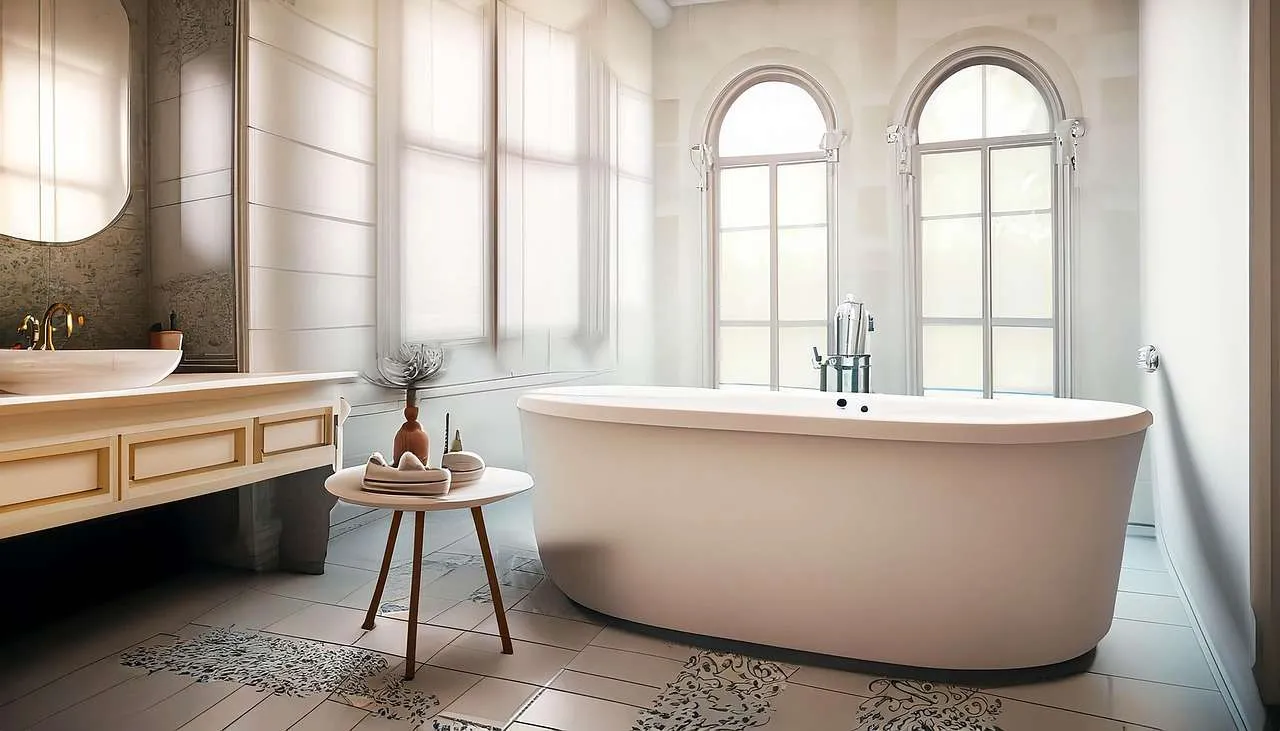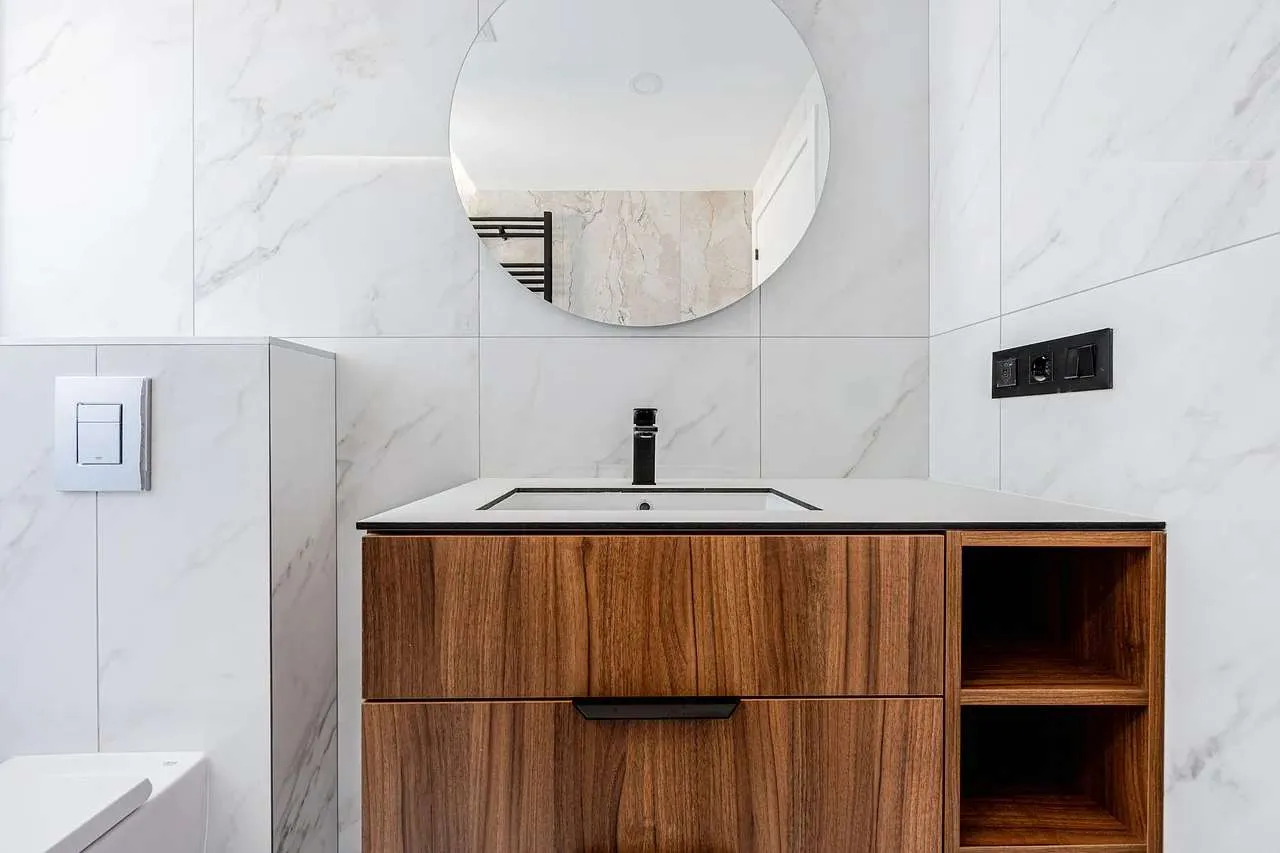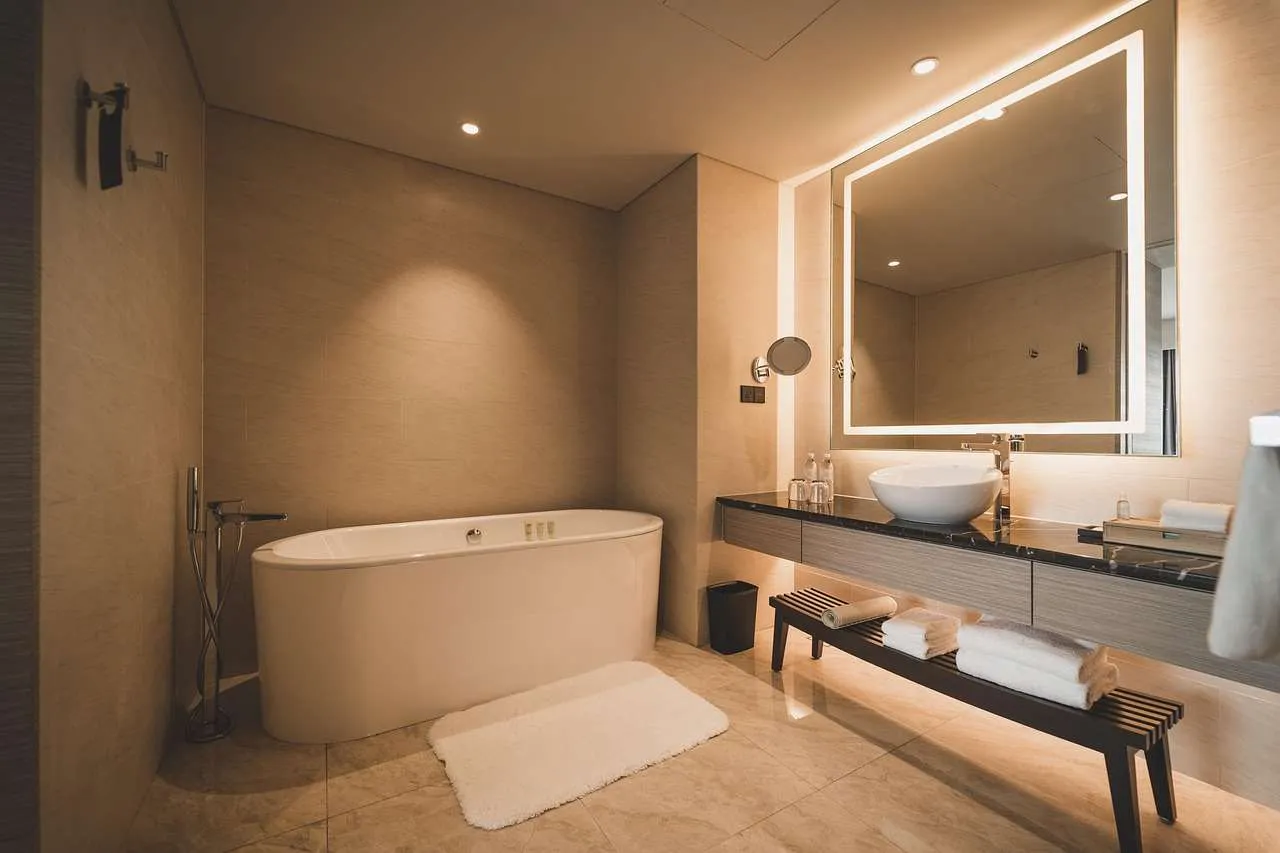
A small bathroom is a design challenge that rewards clever ideas and disciplined organization. By focusing on flow, light, and storage, small bathroom ideas become big on usability without sacrificing style. This guide shares practical strategies, real-world tips, and proven layouts to help you transform a compact bath into a comfortable, efficient space.
Layout and space-saving fundamentals
In tight spaces, every inch counts. Start with a simple floor plan that preserves a clear walking path, considers door swing, and prioritizes essential fixtures. Where possible, choose space-saving solutions such as pocket doors, wall mounted fixtures, and corner showers to open floor real estate rather than crowd it. Take accurate measurements of doorways, niches, and utilities before sketching layouts so your final plan avoids bottlenecks.
Choose compact fixtures
Look for compact toilets and pedestal or wall-hung sinks that minimize footprint. A corner shower or a 32 inch by 60 inch stall can feel roomier than a full-size enclosure when paired with a glass door that visually expands the space. When selecting vanities, opt for slim profiles with interior storage to keep essentials out of sight yet within reach.
Vertical storage and niches
Install recessed niches in the shower and tall, slim cabinets over the vanity to keep toiletries off the counter. Floating vanities with open space underneath can also make the room feel lighter and longer. Integrate towel bars into the vanity or wall to keep surfaces clear and maintain a serene look.
Color, materials, and visual tricks
Light colors on walls and reflective surfaces create a sense of airiness. Use large format tiles with minimal grout lines, choose a glossy or satin finish, and consider a full-height mirror or mirrored cabinet to bounce light around the room. Consistent materials and a cohesive color palette reduce visual clutter and read as more spacious. If you prefer accents, keep them contained in textiles or accessories rather than on every surface.
Mirrors and glass
Floor-to-ceiling mirrors or a large vanity mirror can double the perceived size. In showers, opt for clear glass panels instead of opaque curtains to improve light flow and create a continuous sightline. A frameless glass door can also enhance openness without visually breaking the space.
Storage and organization ideas
Smart storage is the backbone of small bathroom ideas. Choose a vanity with deep drawers, wall cabinets with adjustable shelves, and recessed towel niches. Transparent containers and labeled baskets keep essentials accessible while reducing countertop clutter. Consider a medicine cabinet with integrated lighting for quick access to daily routines, and a built-in laundry basket hidden behind a door for neatness.
Fixtures and fittings for impact
Operate with purpose: select a compact vanity, a wall-hung toilet, and a shower enclosure with a slim profile. Consider a bathtub-to-shower conversion only if you can maintain alcove clearance and ventilation. A rain showerhead at a lower height can also create a spa-like feel without taking up space. For durability, choose moisture-resistant materials and sealed joints to minimize maintenance over time.
Lighting and ambiance
Layered lighting matters more in small baths. Combine overhead task lighting with mirror lighting and niche LEDs. Ensure the space is well ventilated to prevent moisture buildup, and use dimmable lights to adjust mood after use. A cohesive color temperature around 3000K to 3500K strikes a natural balance for grooming tasks and relaxation.
Quick-start plan and budget tips
To begin, measure precisely, then sketch a few layout options. Prioritize the elements that deliver the biggest impact: a glass shower, floating vanity, and proper lighting. Set a realistic budget and reserve a portion for installation challenges. If you hire professionals, obtain multiple bids and verify licenses and insurance for EEAT credibility. Break the project into phases: layout optimization, plumbing adjustments, and finishes, allowing you to learn and adapt as you go.
| Option | Pros | Cons | Best For |
|---|---|---|---|
| Floating vanity with drawers | Creates airiness; easier cleaning | May require plumbing adjustments | Tall ceilings; open feel |
| Corner shower with glass door | Maximizes floor space; bright | Smaller stalls limits bath storage | Very small footprints |
| Pocket door | No door swing space; opens room | Installation complexity and cost | Narrow entry bathrooms |
| Recessed niches and shelves | Keeps toiletries organized | Requires precise carpentry | Showers and vanity areas |
Conclusion, by applying these small bathroom ideas you can make a compact bath feel larger, more usable, and visually cohesive. Focus on plan, light, and smart storage, pick fixtures that save space, and maintain a simple color palette to unify the room. For best results, consult an experienced professional to confirm plumbing, ventilation, and safety requirements before renovations.